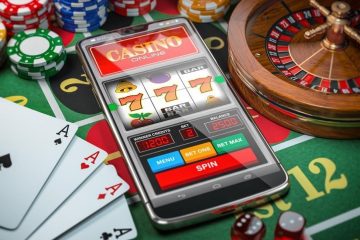
The Psychology Behind Casino Game Design

Casinos are not just built on luck; they are engineered using psychology, neuroscience, and behavioral economics. The Psychology Behind Casino Game Design reveals how every sound, color, and rule is intentionally crafted to influence player decisions and emotions. Behind the flashing lights and ringing bells is a deep understanding of human behavior that keeps players engaged, entertained, and often spending more than they expect.
Casinos and game developers study how people respond to risk, reward, and uncertainty. They use this data to create environments that appear random but are subtly structured to trigger pleasure and anticipation. From the layout of machines to the timing of wins, everything is calculated to produce maximum engagement and minimal awareness of time.
The concept of variable reinforcement lies at the core of this strategy. This principle, derived from B.F. Skinner’s research on operant conditioning, describes how unpredictable rewards create the most persistent behaviors. Slot machines, for example, use this mechanism by rewarding players at irregular intervals. The brain releases dopamine when an unexpected reward occurs, making the experience exciting and difficult to stop. Players never know when the next win will come, which keeps them pulling the lever or pressing the button again and again.
Behavioral Conditioning and Reward Systems
The psychology behind casino design goes beyond random rewards. Casinos carefully manage how players perceive both wins and losses. Small wins occur frequently enough to keep morale high, even when overall losses accumulate. These micro-rewards are celebrated with lights, sounds, and animations that make players feel like they are constantly succeeding.
Dopamine, the brain’s reward chemical, plays a central role here. It is not triggered solely by winning but by anticipation—the excitement of what could happen next. Slot machines and digital games amplify this anticipation with slow reel spins, flashing symbols, and dramatic pauses. The result is a brain loop that encourages players to stay engaged far longer than they plan.
Cognitive Biases in Casino Design
Human decision-making is rarely rational, and casino designers know it. They exploit several well-documented cognitive biases that influence how people perceive risk and reward.
The gambler’s fallacy is one of the most common. Players often believe that a losing streak means a win is “due,” even though each spin or hand is statistically independent. Game interfaces subtly reinforce this belief with displays showing past outcomes or near-misses that make it feel like a win is close.
Another major factor is loss aversion—the tendency to fear losing more than we value winning. To counteract this, games often present losses in less painful ways. For example, a player may bet $5 and win back $2, yet the machine celebrates the partial win with lights and sounds, reframing the event as a success rather than a loss. This positive reinforcement keeps motivation high even when the bankroll declines.
Illusions of control also play a powerful role. Many games allow players to press buttons or choose cards, giving a false sense that skill affects the outcome. In reality, most modern casino games rely purely on chance, but this feeling of participation keeps players emotionally invested.
The Role of Sensory Design
The casino environment is engineered to stimulate multiple senses simultaneously. The design of lighting, sound, and even scent contributes to the immersive experience.
Bright, warm lighting keeps players alert and comfortable. Machines flash in rhythmic patterns that draw attention, while contrasting colors highlight active machines or promotions. Sound is equally critical—winning tones are pitched higher and louder than neutral sounds, signaling success and triggering dopamine release.
Music tempo is strategically used to influence behavior. Slow, ambient music encourages lingering, while faster beats can energize players during high-stakes moments. Some machines even use subtle vibrations to mimic the physical sensations of excitement, reinforcing emotional engagement.
Game Structure and Reward Mechanics
Behind the visuals and sounds lies a complex mathematical structure. Every game is programmed with a return-to-player (RTP) percentage, which determines how much of the money wagered will be returned to players over time. A game with 96% RTP, for instance, pays back $96 for every $100 wagered on average, though in the short term, outcomes vary dramatically.
Volatility determines how frequently and how large those payouts are. High-volatility games deliver rare but large wins, appealing to thrill-seekers. Low-volatility games offer frequent small wins, appealing to players who prefer a steady experience. Game designers balance RTP and volatility to create emotional rhythms that maintain engagement.
Emotional Engineering Through Near-Misses
A near-miss occurs when a player comes close to winning—two matching symbols instead of three, for example. Psychologically, near-misses are powerful because they activate the same areas of the brain as actual wins. This creates a strong urge to keep playing, believing that a win is just around the corner.
Casinos use this phenomenon intentionally. The spinning reels or card draws often slow down before stopping, heightening anticipation. The result is a stronger emotional pull and a sense of momentum that keeps players chasing that “almost win.”
The Power of Loyalty Systems
Modern casinos extend psychological design beyond the game itself through loyalty programs. These systems reward consistent play with points, bonuses, or status levels. Players are motivated to continue gambling to reach the next tier or maintain privileges. This creates a commitment loop—a cycle where sunk costs and perceived progress drive further play.
These programs use personalized offers and variable rewards to strengthen attachment. A free meal, room upgrade, or small bonus may seem generous, but it’s calculated to reinforce long-term loyalty and increased play frequency.
Social Influence and Perception
Casinos also use social proof to create excitement and trust. Seeing others win or hearing about big jackpots convinces players that success is possible. In online platforms, leaderboards and tournaments encourage competition, turning gambling into a social activity. The excitement of beating others or climbing rankings enhances engagement even when the financial rewards are small.
Ethical Design and Responsible Gambling
While psychological design can make games more entertaining, it also raises ethical concerns. The same techniques that increase engagement can lead to addiction and financial harm. Ethical game design focuses on transparency, player control, and informed choice.
Responsible casinos implement safeguards like deposit limits, session reminders, and cooling-off periods. Transparency about odds and RTP also helps players make informed decisions. Ethical designers avoid exaggerated near-misses or misleading win animations that distort reality.
Data-Driven Personalization
The rise of digital gambling platforms has introduced powerful data analytics and machine learning. These technologies allow casinos to track player behavior in real time and tailor experiences to individual profiles. Personalized bonuses, targeted messages, and adaptive difficulty are all based on behavioral predictions.
While personalization can enhance enjoyment, it can also cross into manipulation. When algorithms detect vulnerability—such as chasing losses or increasing bets—they can either offer support or, in unethical cases, exploit the behavior for profit. This makes regulation and oversight critical in the digital era.
Dark Patterns and Manipulation
Dark patterns are design tricks that subtly push players into making decisions they might otherwise avoid. Examples include auto-play features that make it harder to stop, countdown timers that create urgency, or misleading visual effects that disguise losses as wins. Identifying and regulating these practices is crucial for protecting players from exploitative behavior.
Designing for Sustainable Enjoyment
True sustainability in casino design lies in balance—creating excitement without exploitation. Games should entertain without deceiving. Transparency about odds, visible limits, and accessible tools for control can create trust and ensure long-term engagement.
Designers who prioritize ethical principles build credibility and player loyalty that lasts longer than short-term profit spikes. Responsible play is not only a moral issue but also a business strategy that supports healthier, more sustainable growth.
Frequently Asked Questions
How do casinos make players feel like they’re winning even when they’re losing?
They use positive reinforcement through lights, sounds, and mini-celebrations for small payouts. Even partial wins are framed as victories, keeping morale high.
What psychological principle keeps players hooked to slot machines?
Variable ratio reinforcement. It’s the same mechanism that makes social media addictive—unpredictable rewards trigger repeated behavior.
Are online casino games more addictive than traditional ones?
Potentially, yes. They’re accessible 24/7, have faster gameplay, and often use real-time personalization, which can amplify engagement and risk.
Why are casino environments so bright and noisy?
The lights and sounds are intentionally stimulating. They create excitement, mask losses, and make it hard to track time, all of which extend play sessions.
Can casino design be ethical and profitable?
Yes. Many operators are finding that promoting responsible gambling builds player trust and long-term loyalty. Transparent odds and player control tools can align ethics with profitability.
The psychology behind casino game design is a testament to how deeply human behavior can be studied, understood, and shaped. It merges science and art to create environments that feel random yet are perfectly structured to captivate the mind. Understanding these mechanisms empowers both players and policymakers to enjoy and regulate gaming in a way that preserves its entertainment value without enabling harm.