How to Set Personal Limits for a More Responsible Poker Experience
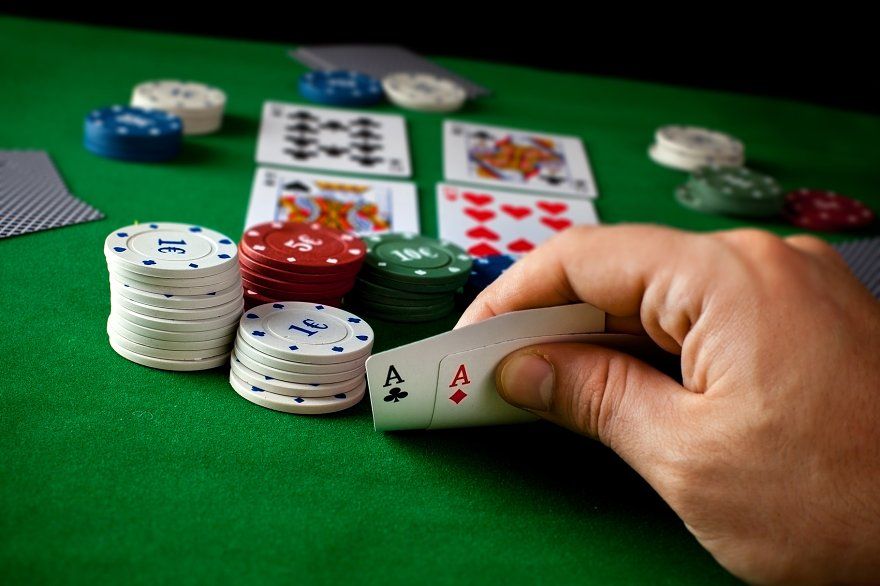
Poker occupies a unique place in the world of card games. Unlike traditional casino games where players compete against a built-in mathematical house edge, poker pits individuals against other human competitors in a contest of strategy, skill, psychology, and probability. This competitive dynamic makes the game intellectually stimulating and deeply engaging.
However, that exact blend of analytical challenge and financial wagering can blur the boundary between recreation and compulsive behavior. Because poker involves genuine skill, players often fall into the trap of believing they can outthink bad fortune, overcome exhaustion, or quickly recover unexpected financial setbacks with another buy-in.
Maintaining a healthy, sustainable relationship with the game requires clear personal boundaries. Setting personal limits is not an admission of weakness or a lack of confidence; it is the hallmark of a mature, disciplined poker player. Whether you participate in live cardroom cash games, weekend home tournaments, or online multi-table events, implementing structured constraints around your money, time, emotional state, and play habits safeguards your lifestyle and keeps the game enjoyable.
Understanding the Necessity of Boundaries in Poker
The fundamental nature of poker introduces inevitable variance. Even when you make the mathematically correct decision on every street, short-term luck can deliver punishing beats. An opponent drawing to an improbable two-outer on the river will occasionally win, causing your chip stack to disappear despite flawless tactical play.
When variance strikes, emotional centers in the brain light up, triggering an urge to reassert control. Without predefined guardrails established during calm moments of rational clarity, players default to reactive decision-making:
-
Chasing Losses: Doubling down on buy-ins or stepping up to higher stakes to win back lost funds in a single session.
-
Playing Under Tilt: Allowing frustration, anger, or overconfidence to dictate aggressive, low-probability plays.
-
Sacrificing External Responsibilities: Extending gaming sessions into the early morning hours, ignoring sleep, family commitments, and professional work duties.
-
Distorting Personal Finances: Dipping into household utility, grocery, or rent funds to finance additional tournament entries or cash game reloads.
Setting strict personal limits acts as an external circuit breaker, halting reckless impulses before they cause long-term financial damage.
Establishing Strict Financial and Bankroll Limits
The first and most critical perimeter to build surrounds your money. A poker bankroll must exist in total operational isolation from everyday living expenses. If losing a session compromises your ability to cover personal bills, pay rent, or save for future goals, the stakes you are playing are fundamentally incompatible with your financial reality.
Defining Your Entertainment Bankroll
For casual and recreational players, poker funds should come exclusively from unallocated entertainment capital. Treat this capital the same way you treat money spent on dining out, concert tickets, or weekend sporting events: money already spent in exchange for recreational enjoyment.
Implement these financial practices:
-
The Dedicated Account Method: Maintain a separate digital checking account or physical cash envelope reserved solely for poker. Never link your primary everyday checking account directly to online cashier portals or carry your primary debit card to the casino cashier cage.
-
The Single-Session Loss Ceiling: Decide the absolute maximum cash amount you are willing to lose in a single day before leaving your house or logging into a client. Once that predefined sum is lost, whether it takes three hours or fifteen minutes, your session is officially over without exception.
-
Pre-Set Buy-In Ratios: If playing cash games, enter the table with no more than two to three standard buy-ins for that specific day. If you choose to play multi-table tournaments, budget for fixed entry fees and strictly ignore add-on or re-entry temptations once your original allocation expires.
The Mathematics of Bankroll Depth
Serious players aiming for long-term consistency must adhere to mathematical bankroll requirements designed to absorb the natural swings of variance:
-
Cash Game Reserves: Maintain a working bankroll equal to at least thirty to fifty full buy-ins for your target blind level. Playing a one-dollar/two-dollar game with a standard two-hundred-dollar buy-in requires a dedicated, untouchable bankroll of six thousand to ten thousand dollars.
-
Tournament Depth: Tournaments feature far higher variance due to massive field sizes. Responsible tournament players generally preserve a minimum of one hundred to two hundred average buy-ins to survive prolonged dry spells without exhausting their liquid funds.
Having adequate bankroll depth removes the paralyzing fear of losing, which allows you to execute optimal strategic decisions without anxiety.
Structuring Time Limits and Session Lengths
Decision fatigue is a quiet hazard in poker. Mental processing, emotional regulation, and working memory draw upon finite neurological resources. As a session stretches past several continuous hours, your cognitive processing speed slows, focus wanders, and the ability to calculate complex pot odds degrades.
Many of the worst errors committed at a poker table occur during the final ninety minutes of overly long sessions when players are mentally depleted:
-
Set a Fixed Duration Alarm: Before playing your first hand, establish a strict time limit. For most individuals, two to three hours represents the peak window of sustained mental focus. Set a quiet vibration alarm on your phone or use digital software tools to remind you when your planned time window closes.
-
Schedule Mandatory Physical Breaks: In live games, force yourself to step away from the table every sixty to ninety minutes for at least ten minutes. Walk outside, drink water, stretch your back, and assess your mental clarity. Online players should utilize automated software timers that trigger temporary screen breaks every hour.
-
Eliminate Open-Ended Grinding: Never sit down with a vague intention to play until you feel tired. Fatigue sets in gradually, and players are notoriously poor judges of their own cognitive decline while sitting in the middle of active hands.
Establishing clear time boundaries ensures that you leave the table while your thoughts remain sharp and your judgment intact.
Implementing Emotional and Psychological Guardrails
Technical proficiency means very little if an emotional surge overrides your rational judgment. Tilt is the universal adversary of the poker player, manifesting as subtle frustration, rising irritation, or blinding anger. Managing tilt requires recognizing your individual psychological warning signs before an emotional outburst destroys your chips.
Develop these emotional self-monitoring habits:
-
Identify Early Physical Cues: Emotional distress reveals itself somatically before you consciously register it. Notice physical signals such as an accelerated heart rate, clenched teeth, tapping feet, flushed skin, or sudden muscular tension in the shoulders following an unlucky beat.
-
The Three-Mistake Stop-Loss Rule: Establish a personal policy where two or three visibly flawed tactical plays, such as calling an obvious river raise out of sheer stubborn curiosity or firing an unplanned bluff without fold equity, prompt an immediate, voluntary exit from the game.
-
Disconnect Results from Self-Worth: A bad poker session is not a reflection of your intelligence, moral character, or capability. Frame every outcome as an isolated statistical experiment rather than a personal victory or defeat.
When you master the discipline to pack up your chips the moment emotional instability surfaces, you protect yourself against devastating financial downswings.
Utilizing Built-in Platform Tools and Venue Policies
Modern regulated online poker platforms and commercial brick-and-mortar cardrooms provide formal infrastructure to assist players in maintaining personal limits. Many players overlook these resources, viewing them only as emergency tools for crisis situations rather than practical daily safeguards.
Take active advantage of these operational controls:
-
Deposit and Transfer Caps: Regulated online poker sites allow users to configure strict daily, weekly, and monthly deposit ceilings. Setting these thresholds well below your discretionary income prevents impulsive top-ups during difficult sessions.
-
Table Stakes Filters: You can program your digital poker client to block access to higher-stakes tables, preventing you from accidentally or impulsively jumping into games outside your designated limits.
-
Time-Out Windows: If you sense creeping frustration or fatigue, use the platform cool-off feature to temporarily restrict your account for twenty-four hours, forty-eight hours, or seven days.
-
Cardroom Staff Assistance: In live venues, inform floor staff or trusted playing peers about your intended departure time or cash-out limits. External accountability often provides the extra social nudge needed to stick to your commitments.
Using structural platform tools removes reliance on willpower alone, creating an automated safety net for your play.
Balancing Poker with a Healthy Personal Lifestyle
The ultimate measure of responsible gaming is how harmoniously poker integrates with the rest of your life. If poker begins to crowd out personal relationships, physical health routines, professional ambitions, or creative hobbies, your relationship with the game has drifted out of balance.
Keep your life rounded with these priorities:
-
Prioritize Rest and Physical Movement: Never sit down to play when sleep-deprived, sick, or physically exhausted. Regular exercise and proper nutrition directly enhance cardiovascular stamina and cognitive endurance at the tables.
-
Protect Family and Social Commitments: Poker should never cause you to cancel dinner dates, skip children athletic events, or miss important family gatherings. The game will always be there tomorrow; missed personal moments are gone forever.
-
Maintain Diversified Interests: Ensure poker remains one hobby among many. Engaging in sports, reading literature, spending time in nature, or developing creative pursuits keeps you grounded and prevents poker outcomes from dominating your daily mood.
When you treat poker as an engaging pastime rather than the single center of your life, you preserve its intended role as a source of fun, connection, and intellectual satisfaction.
Frequently Asked Questions
What should a player do when they hit their session stop-loss limit in the first thirty minutes of play?
If you reach your predefined stop-loss limit early in a session, you must stand up, cash out, and walk away immediately without exception. Rationalizing that you have plenty of time left in the evening or that the game is exceptionally good is how catastrophic losses occur. Early bust-outs typically induce heightened emotional vulnerability and frustration, making you more prone to careless play. Respecting the boundary reinforces personal discipline and ensures you live to play another day under better circumstances.
How can an online player manage personal limits when playing multiple tables simultaneously?
Multi-tabling drastically increases the speed of decisions and the rate of financial swings, making automated platform limits vital. Before launching a multi-table session, use software tools to lock in total table limits, restrict access to stakes above your normal range, and establish rigid session timers. Additionally, keep a physical notepad on your desk where you write down your starting balances across all open tables, and force yourself to close all windows the moment your cumulative loss reaches your daily threshold.
Is it advisable to lower your betting limits during a prolonged poker downswing?
Yes, moving down in stakes during a prolonged downswing is one of the smartest adjustments a player can make. Stepping down reduces financial pressure, preserves your bankroll, and softens the caliber of competition, allowing you to regain psychological confidence and rebuild your focus without risking substantial capital. Once your win rate stabilizes and your emotional composure returns, you can systematically move back up to your preferred stakes.
What is the difference between a soft limit and a hard limit in poker?
A soft limit is a loose mental guideline that you intend to follow but can be easily bent or rationalized away in the heat of the moment, such as thinking you will probably leave around midnight or stop if you lose a bit more. A hard limit is a concrete, non-negotiable boundary established beforehand with enforceable rules, such as physically locking away credit cards, setting binding digital deposit caps, or programming an audible alarm that dictates an immediate exit regardless of the current game state.
How does alcohol consumption affect a player ability to maintain personal limits?
Alcohol is a central nervous system depressant that degrades executive brain functions, impairs impulse control, and warps risk assessment. Even small amounts of alcohol increase emotional volatility and dismantle your resolve to honor predetermined time, financial, and behavioral limits. To maintain strict discipline and protect your capital, treat poker sessions with professional sobriety and avoid drinking alcohol while actively playing.
Can tracking personal session data help reinforce responsible gaming boundaries?
Yes, keeping an accurate, objective record of every session is an exceptional tool for maintaining discipline. Log details including start and end times, stakes played, location or platform, net financial results, and notes on your emotional state throughout the game. Reviewing this data exposes recurring weaknesses, such as consistently losing money during the fourth hour of sessions or during specific late-night hours, providing clear evidence to establish tighter, more effective personal boundaries.